Learning Science Outdoors Through Inquiry
The revised Framework Educational Programme for Primary Education in the Czech Republic recommends inquiry-based learning as an effective method for developing problem-solving competencies. Not every school knows how to get started. At Kunratice Elementary School, however, teachers have found an inspiring way to connect inquiry-based learning with outdoor education – and we went to see how it works in practice.
The innovation came from a group of lower secondary science teachers who agreed that every Thursday morning they would take sixth graders outside. There, they jointly teach three consecutive lessons following a pre-prepared plan. They named the subject simply “Science.”
“Science is a bit of an experiment for us too. We introduced it this year, so not everything is perfect yet. But we’re gradually identifying shortcomings and improving our approach based on feedback,” says Jan Mazůrek, one of the teachers who helped establish the Science concept at the school. He also points out that in Kunratice Elementary School, they are not afraid to show their work to colleagues. On the contrary, they are open to inviting others to visit, try outdoor inquiry for themselves, and provide feedback.
An Inquiry-Based Visit
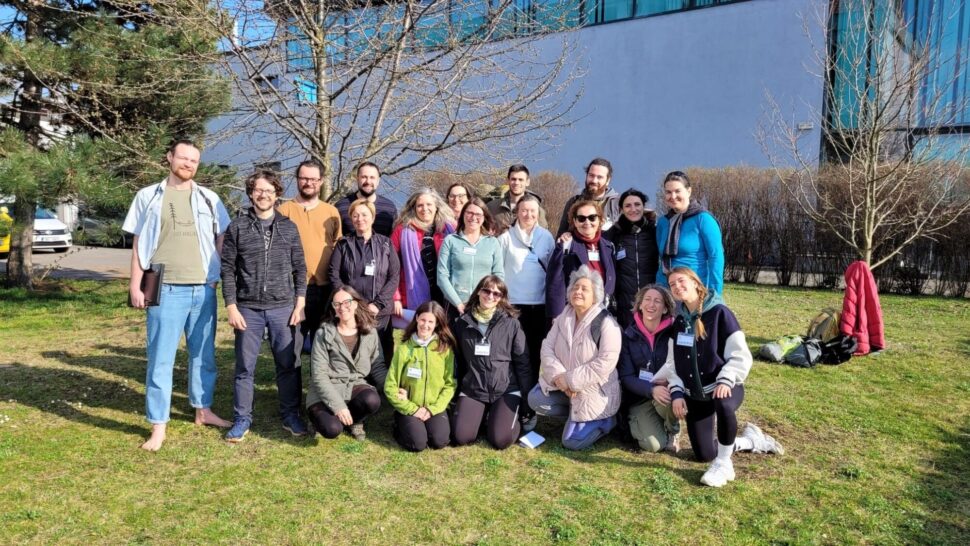
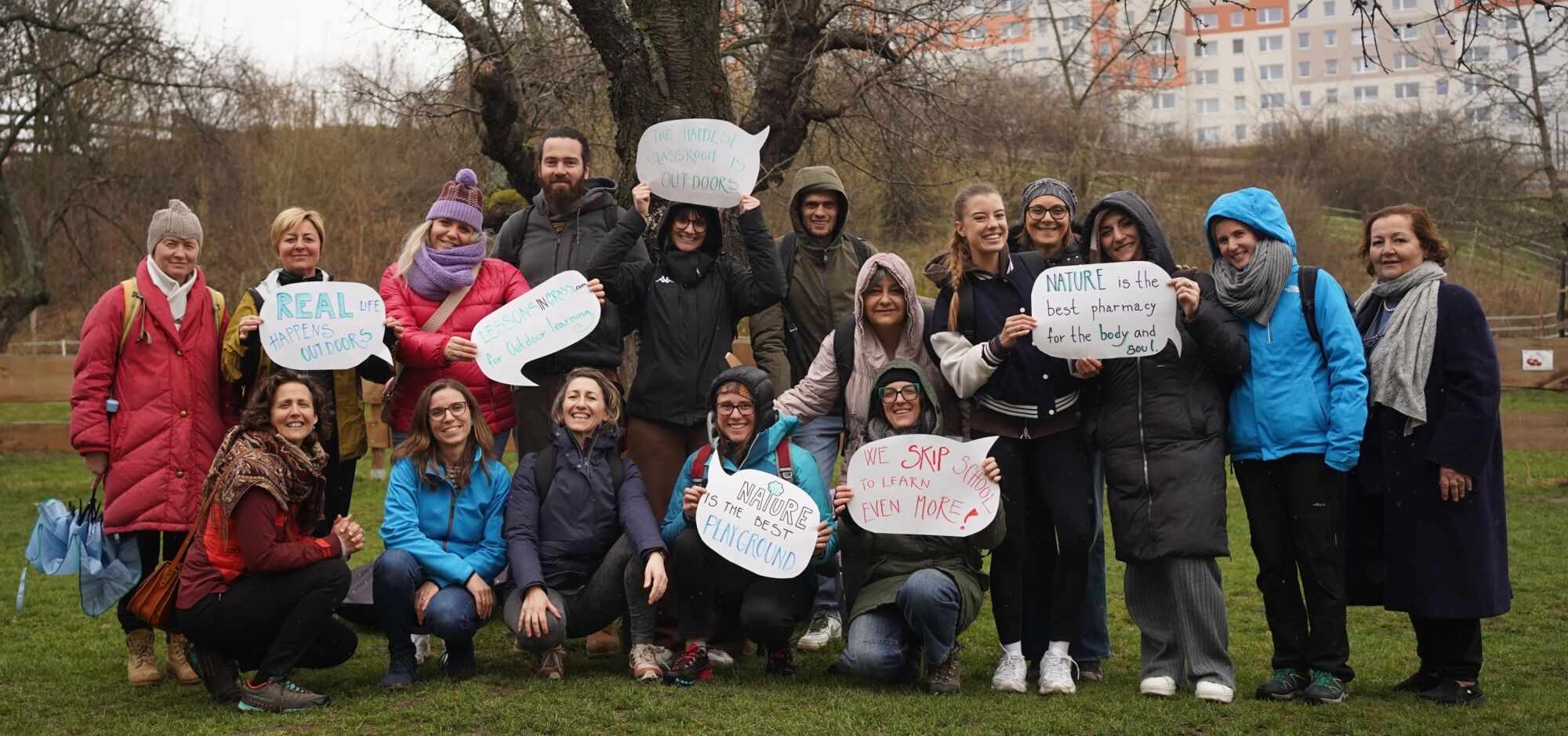
We from Lessons in Grass took advantage of this invitation and set off for Kunratice on a chilly March morning, accompanied by a group of Italian teachers attending a week-long outdoor learning course we were hosting in Prague. As soon as we arrived at the school, we were struck by the ongoing reconstruction of the school grounds, which had turned the area into a giant construction site where excavators, rather than children, were racing about.
“It’s a complication,” admit the three teachers leading today’s Science lessons, “but it hasn’t discouraged us. We take the children to investigate in Castle Park or on the edge of Kunratice Forest. We also have a student who uses a wheelchair, so the terrain has to be accessible. The walk takes about ten minutes and everyone can manage it!”
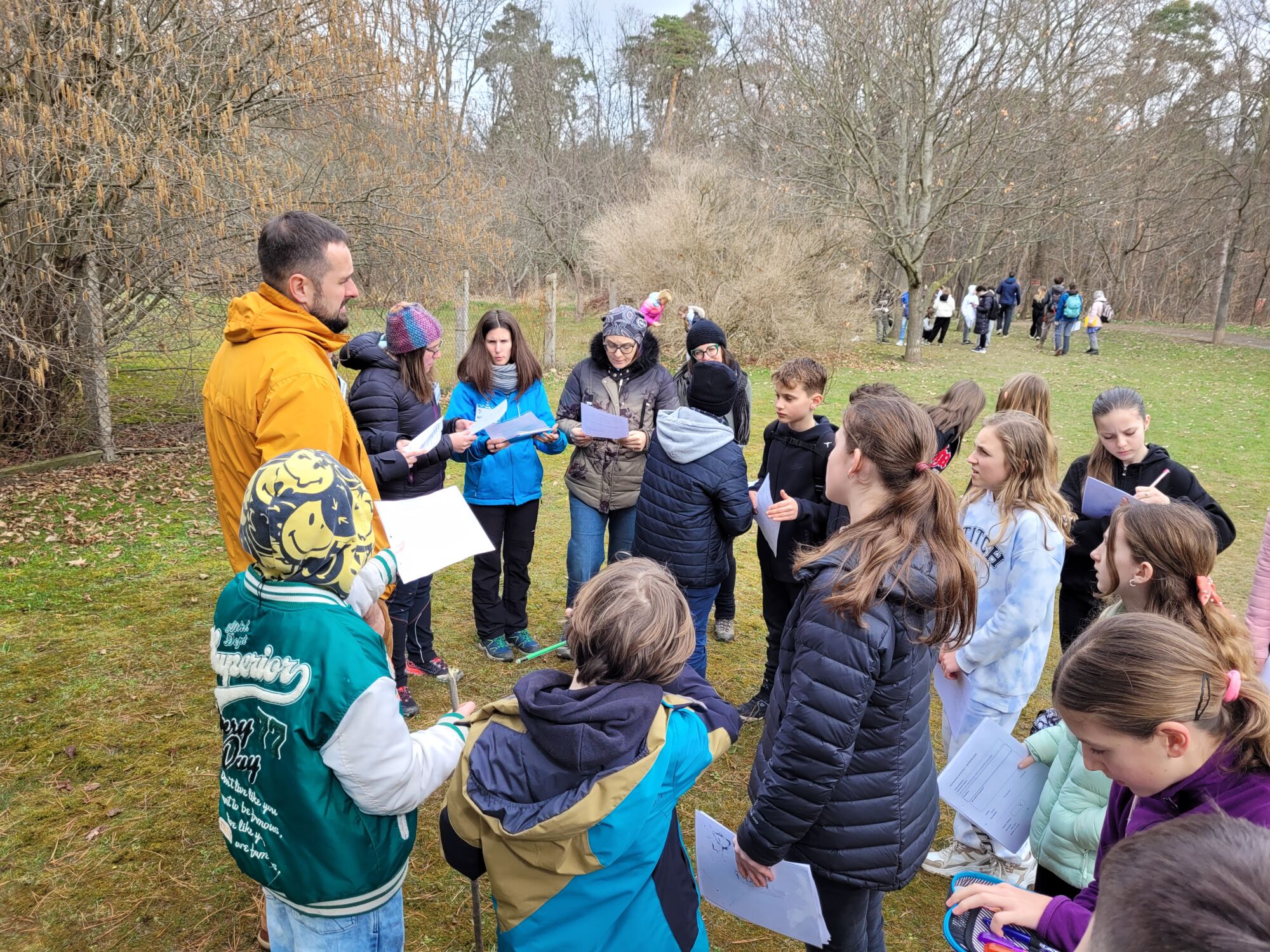
Soon, we follow a procession of ninety children making their way through the centre of the village, across a busy road, and toward the forest near Kunratice Stream. There’s no waiting around: backpacks with snacks are dropped, and the inquiry begins right away! Each teacher is responsible for one class, with classes rotating between activities so that everyone eventually experiences all of them.
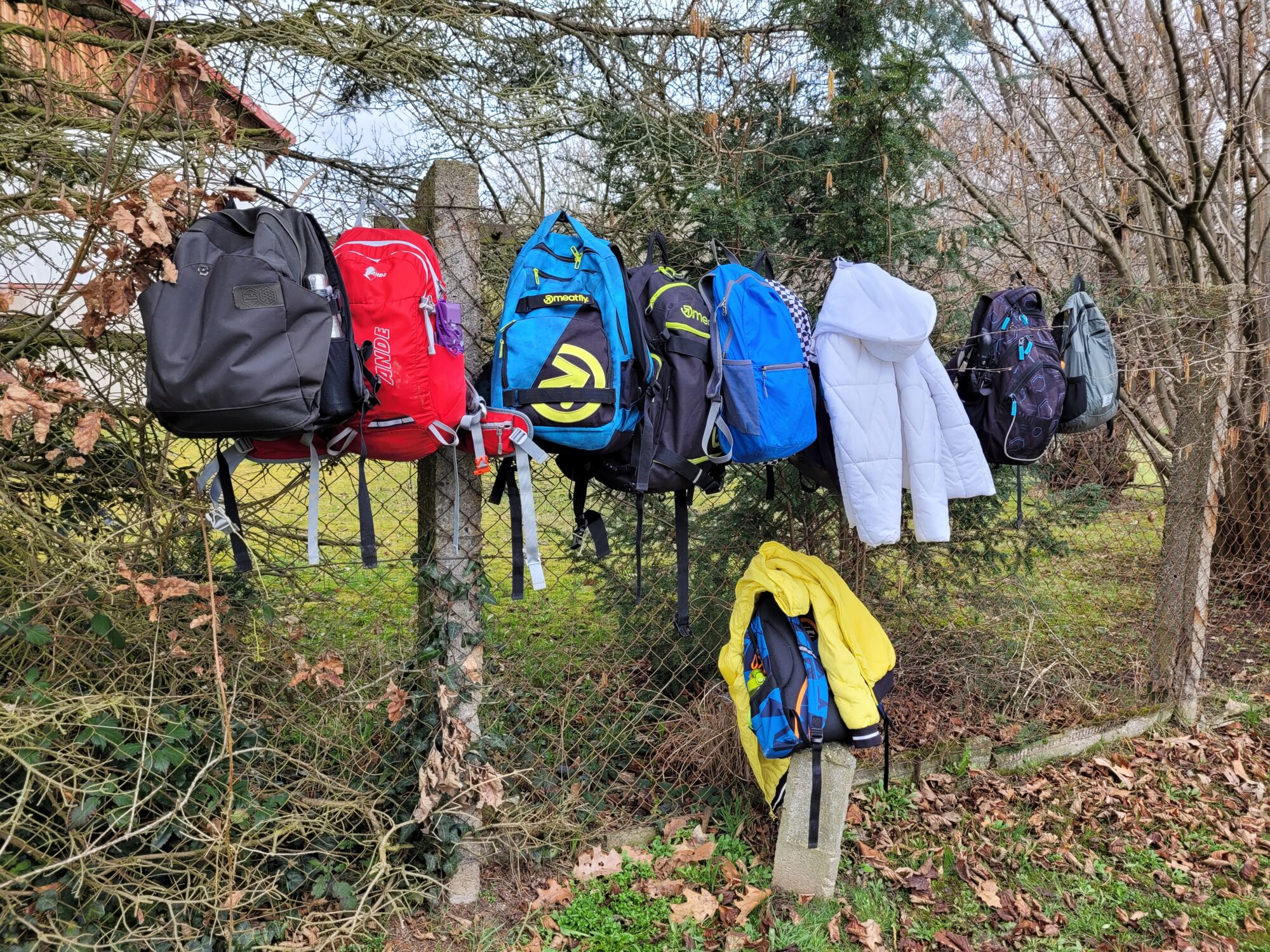
Divided into even smaller groups, students investigate, for example, the influence of cardinal directions or terrain on the microclimate. Others search for the occurrence of spring plants, examine the phenological phases of trees, or learn how to use the iNaturalist app. Each group must formulate a hypothesis related to a prepared research question and test it using appropriate tools and the information they gather. They then present their results to the others as a kind of “pass” to move on to the next activity.
It Makes Sense
Once the tasks are assigned, teachers immediately shift into the role of guides, stepping in where needed. They intervene when students occasionally lose focus and start fooling around or climbing trees instead of working, or when problems arise – including one minor injury that needs immediate attention. In the end, however, everyone completes their tasks.
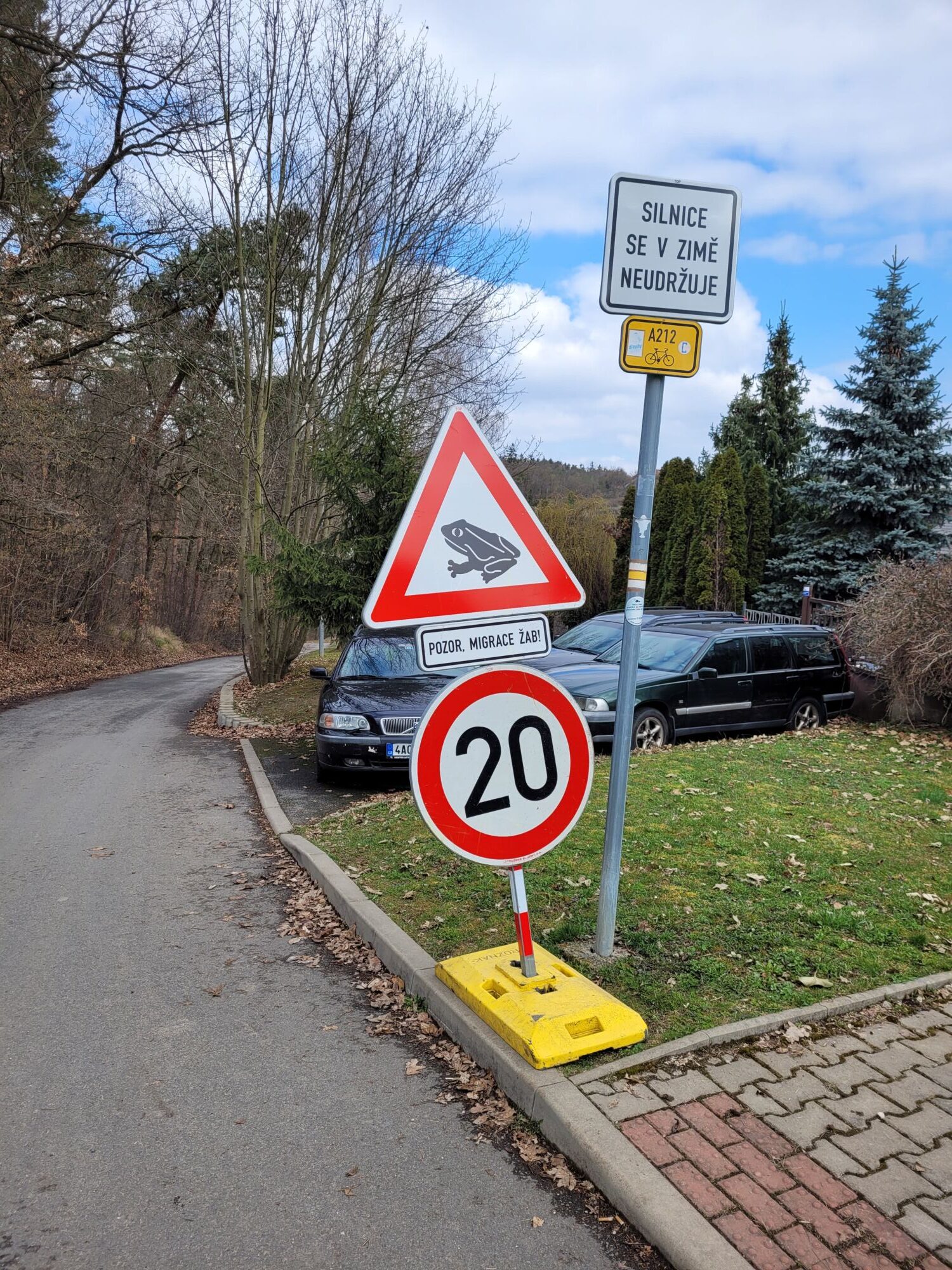
There is also a memorable moment when municipal councillors arrive during the lesson and, in front of the students, install a traffic sign warning of frog migration – exactly the sign whose creation had been initiated by their classmates as part of a previous inquiry project on amphibians. The children see with their own eyes that their efforts can have a real-world impact.
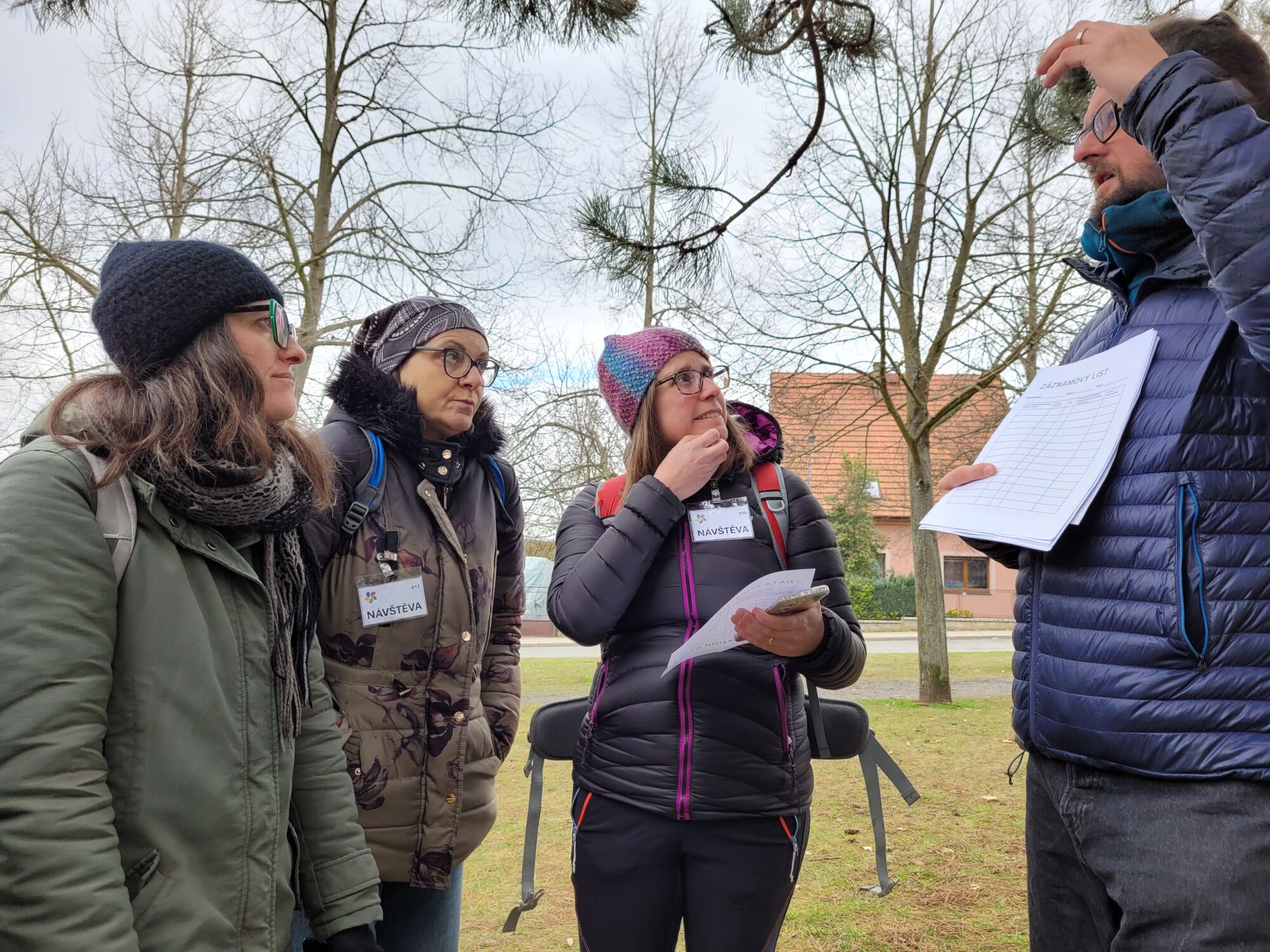
“We always agree on what we’ll be teaching on Monday evening during our regular online meeting – our wives especially love these meetings,” laugh Honza, Petr, and Jakub when they meet with visitors once more after the lessons to hear feedback and, above all, answer questions – of which there are plenty. “On Wednesday before the lesson, we just meet briefly at school to fine-tune the details, prepare materials, or print what’s needed,” the enthusiastic teachers explain as they describe how they prepare their Science lessons. It’s clear that their collaboration truly makes sense to them.

 A Year Outside: The Season of Souls
Exploring Outdoor Learning, Autumn Traditions & Family Connection As autumn deepens, the…
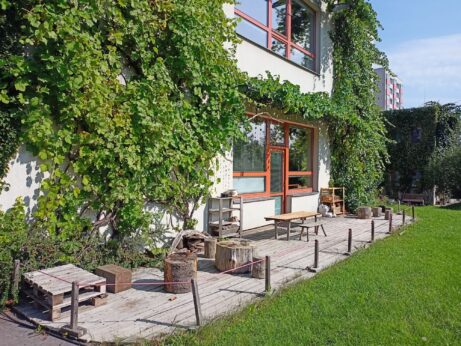 Looking Back at the 2024/25 School Year: Thank You for Creating Time Outdoors!
The 2024/25 school year is behind us – and thanks to all…
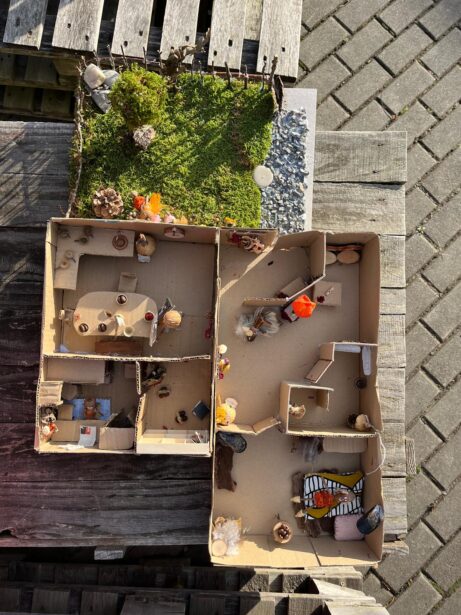 House for Acorn Elves and Nativity Scenes
How Kids Create with Nature Thanks to Their Amazing Teacher When kids…